HI Everyone, this is just sharing for my experience in Aquarium Fish Farm, hope i can be useful and helpful
This is the first post on my new blog. I’m just getting this new blog going for Aquarium Fish Farm, so stay tuned for more. Subscribe below to get notified when I post new updates and don’t miss your feedback.
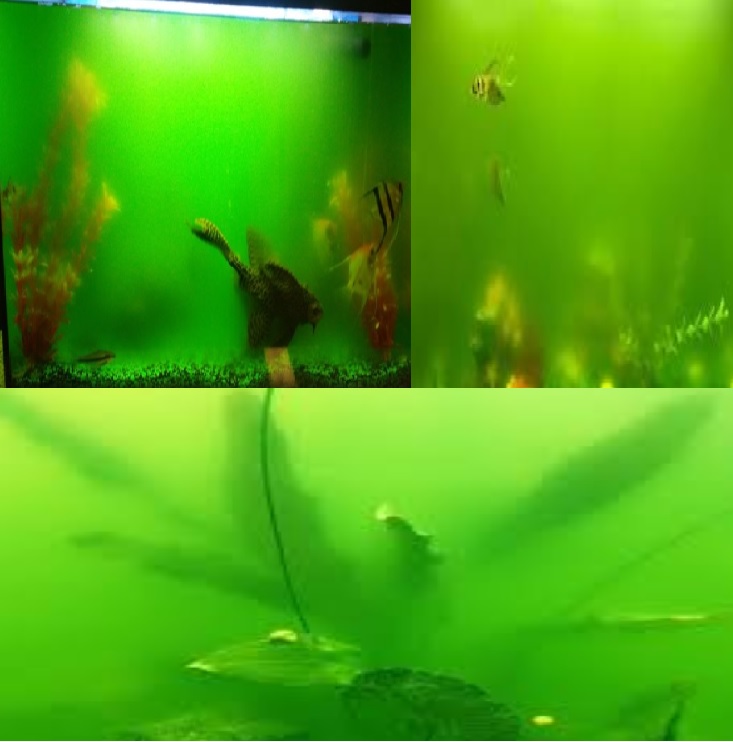
I know the title seems strange, but we all used to settle our fish tanks with water source of oxygen, and a filter. this is a totally different experience and a new experiment to see the output.
I have been watching several videos and read multiple posts and sites regarding breeding fish, and when it comes to sustain fish coloring, and health, I found that most people have been breeding their fish in some tank, with Lotus plant calling it lotus pond.
From my prospective, I believe that they do it this way for fries to hide beneath its leaf’s, and for Algae to reproduce.
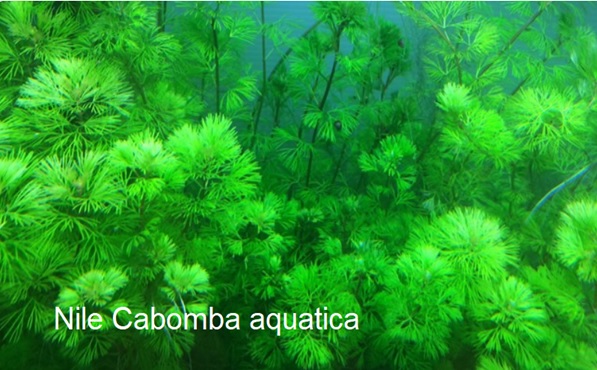
So I got a different thought, why not to think out of the box, specially when it is difficult for me to get a Lotus plant nearby, so I proceeded with a barrel like tank, added about 5-6 cm of peat moss and vermi compost, and then I began to dip into the soil 2 different types of plant (Botus plant, and hygrophila plant). Then a small layer of stones.
Then filled tank with water and added a spoon of Marine salt and left it for a couple of days (3-4). I didn’t get any sign, whether to add fish or not, shall I do a test or not?
In between, there was a very important point that I had to take care of, which is light, I had to add more light in the room, and specifically over the Barrel like tank to guarantee the photosynthesis process. through the 3-4 days the process succeeded.
I was still hesitated, and I wasn’t sure whether to add fish or not. Friends used to tell me to use a fantail fish as a test, but I didn’t. I added a pair of Guppies and Ran away.
Yes, I ran away, I was afraid to lose the guppies.
After 3 days, I went back and I found my Guppies living, and running, and now they are breeding.
The truth is algae are not all bad. Algae play several important roles in your pond or aquarium.
Algae influence carbon and nutrient cycling. They
are in aquatic systems what plants are to terrestrial systems. They are at the
bottom of the food chain using light as an energy source allowing them to
convert the gas carbon dioxide into cellular tissue. And just like plants,
algae generate oxygen. They increase dissolved oxygen in the water which good
for higher organisms like fish. Much of the earth’s oxygen (>70%) comes from
the oceans and algae are responsible for a significant portion of this. Algae,
like plants, reduce carbon dioxide, a major greenhouse gas. So give those lowly
algae some credit like your life depends on them, because it does.
Let’s focus more on how algae affect a smaller system like a pond or
aquarium.
Algae get their nutrients from whatever is
dissolved in the water. Probably most
important to ponders and aquarists is their role in nitrogen cycling. Nitrogen
compounds like ammonia and nitrite are very toxic to fish. In water, nitrogen
exists in various chemical forms and they are converted by chemical and
biochemical reactions. Nitrogen cycling is very complex and involves a lot of
chemical and biochemical processes.
Nitrogen is a critical element for forming living
tissue, proteins, amino acids, etc. Only oxygen, carbon, and hydrogen are more
abundant in cellular tissue. Most often, the major source of nitrogen entering
the water of a pond or aquarium comes from fish food. Other sources are dead
vegetation (grass, leaves, etc.) and perhaps animal wastes like bird droppings. Fish food is converted by fish into energy
and cellular tissue. Excess nitrogen in the food is excreted in feces as
ammonia. Food that is not eaten decomposes and releases its nutrients into the
water creating more ammonia. Bacteria
quickly convert this toxic ammonia to nitrite.
Unfortunately, nitrite is even MORE TOXIC than ammonia. But, luckily for the fish, other bacteria
quickly convert nitrite to nitrate. Nitrate is not very toxic and is the
preferred nitrogen source for plants, algae, and bacteria. So there you have
the nitrogen cycle for aqueous systems:
Living
organism→ ammonia→nitrite→nitrate→living organism.
The term “Algea bloom” refers to a rapid increase in the algae population that can happen in
either fresh or saltwater.
Algae blooms usually occur in tanks that have an
excess of nutrients, specifically Phosphorus, whose levels usually spike
because of overfeeding and an excess of leftover food.
Algae consumes nitrogen, and phosphorus for growth
and reproduction. When there are excessive amounts of these nutrients available
algae can spread rapidly and become an issue. As algae booms then busts, the
dead algae will decrease the amounts of dissolved oxygen in water and can
suffocate fish.
Preventing Algae Blooms
Light – Avoid keeping an
aquarium near a window or glass door to avoid direct sunlight. Lights
should not be left on for longer than 8 hours. Keeping lights on a timer
will ensure lighting is consistent.
Nutrients – Overfeeding with
fish food can result in high ammonia and phosphate levels. Using tap water
with high phosphates will help fuel algae growth. Fish wastes that build
up in the water provide extra nutrients for algae. Overdosing with
chemical additives will increase nutrient levels as well.
Featuring live plants in your aquarium is much
healthier for your aquarium’s inhabitants. Live plants provide your fish a
natural food source with the ability to replenish.
Start with the biggest benefit of all:
They Produce Oxygen: Live aquarium plants produce oxygen and absorb some of the carbon dioxide, ammonia and other harmful nitrates that your fish generate. This puts less strain on your filtration system (though should never be used to replace your filter) and helps maintain good water quality, keeping your fish happier and healthier.
They Reduce Algae Growth: Because they compete with algae for the same nutrients and light sources, aquarium plants are great for keeping algae growth to a minimum. Preventing too many algae from growing is important, as excessive amounts can be harmful to your fish.
They Provide Shelter for Fish: Fish like to have secluded spots and safe places to dart into and hide, and live aquarium plants are the perfect way to provide extra security and shelter for them. This helps reduce stress levels and increase your fish’s quality of life.
They’re Aesthetically Pleasing: There’s no denying that real aquarium plants add an element of natural beauty to any fish tank, and there are lots of types you can choose from. With vibrant shades of greens and reds, the addition of a variety of plants is a surefire way to make your fish tank more attractive
By far the biggest benefit that live plants
provide for your aquarium is that they produce oxygen (O2) and absorb the
carbon dioxide (CO2) and ammonia (NH3) that your fish generate. Adding live
plants in your aquarium helps recreate a natural ecosystem in miniature and may
be one of the most beneficial ways to keep your fish healthy.
By improving water quality and reducing stress,
live plants are a great way to improve your fishes’ health. Adding live plants,
however, does not reduce the need for water changes.
some tips how:
Tall stem plants like Rotala
Indica will begin to bend over at the surface if not pruned back. While this
surface growth is ideal for bubble-nesting gouramis, it also shades the plants
below from precious light.
Advantageous rooting plants
can be pruned mid stem and replanted. Simply trim the bottom leaves of the
cutting and place back into the substrate, using bendable plant weights if necessary,
to anchor. Replant with the same grouping for a fuller look, or experiment by
interspersing these single cuttings among other established groupings.
Sometimes, a young plant
that starts out looking fine in one location soon outgrows its space. To thin
out, either cut and toss individual leaves or carefully pull out half the
cluster by the roots and replant the extra in another location.
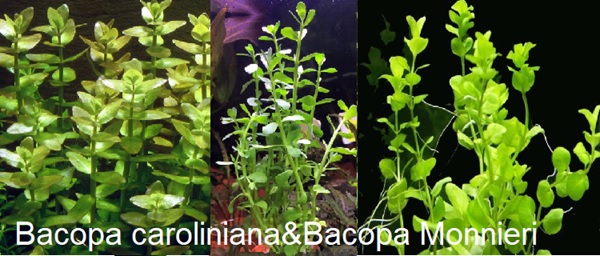
I will be sharing my
experience in a next episode for “Bacopa
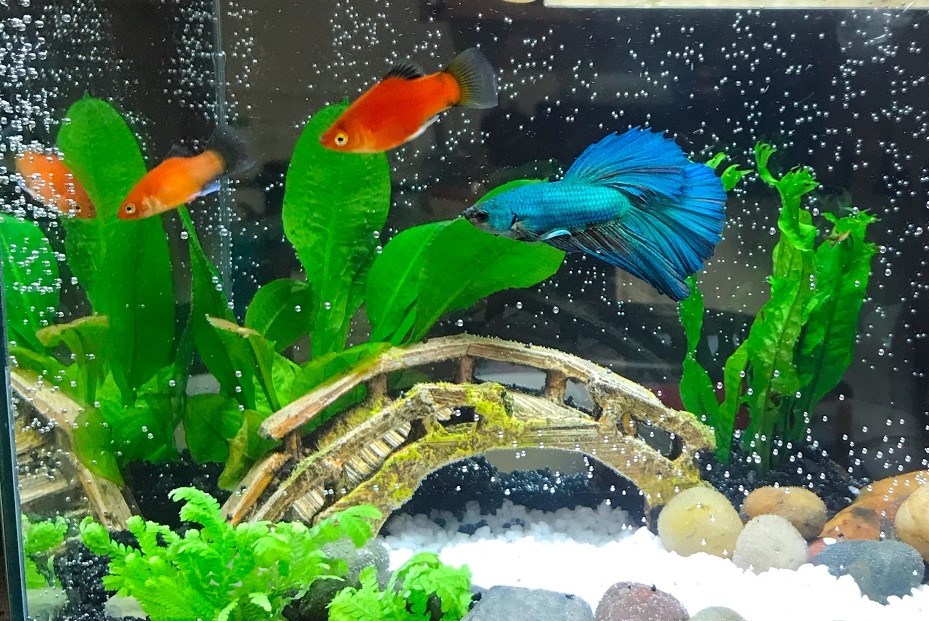
Breeding fish in Aquarium, isn’t just for Money, Breeding fish in aquariums is an opportunity to relax, I am not mentioning this to overwhelm people who do so for money, I am just trying to diverse your vision for all things you may have missed beside you.
Imagine this view around you, beside you or even behind you? imagine how much does it affect on your internal relaxation? lets’ have more views before discussing how to prepare your aquarium in next post.
This is an example post, originally published as part of Blogging University. Enroll in one of our ten programs, and start your blog right.
You’re going to publish a post today. Don’t worry about how your blog looks. Don’t worry if you haven’t given it a name yet, or you’re feeling overwhelmed. Just click the “New Post” button, and tell us why you’re here.
Why do this?
Because it gives new readers context. What are you about? Why should they read your blog?
Because it will help you focus you own ideas about your blog and what you’d like to do with it.
The post can be short or long, a personal intro to your life or a bloggy mission statement, a manifesto for the future or a simple outline of your the types of things you hope to publish.
To help you get started, here are a few questions:
Why are you blogging publicly, rather than keeping a personal journal?
What topics do you think you’ll write about?
Who would you love to connect with via your blog?
If you blog successfully throughout the next year, what would you hope to have accomplished?
You’re not locked into any of this; one of the wonderful things about blogs is how they constantly evolve as we learn, grow, and interact with one another — but it’s good to know where and why you started, and articulating your goals may just give you a few other post ideas.
Can’t think how to get started? Just write the first thing that pops into your head. Anne Lamott, author of a book on writing we love, says that you need to give yourself permission to write a “crappy first draft”. Anne makes a great point — just start writing, and worry about editing it later.
When you’re ready to publish, give your post three to five tags that describe your blog’s focus — writing, photography, fiction, parenting, food, cars, movies, sports, whatever. These tags will help others who care about your topics find you in the Reader. Make sure one of the tags is “zerotohero,” so other new bloggers can find you, too.




 MY Fish