Featuring live plants in your aquarium is much healthier for your aquarium’s inhabitants. Live plants provide your fish a natural food source with the ability to replenish.
Start with the biggest benefit of all:
They Produce Oxygen: Live aquarium plants produce oxygen and absorb some of the carbon dioxide, ammonia and other harmful nitrates that your fish generate. This puts less strain on your filtration system (though should never be used to replace your filter) and helps maintain good water quality, keeping your fish happier and healthier.
They Reduce Algae Growth: Because they compete with algae for the same nutrients and light sources, aquarium plants are great for keeping algae growth to a minimum. Preventing too many algae from growing is important, as excessive amounts can be harmful to your fish.
They Provide Shelter for Fish: Fish like to have secluded spots and safe places to dart into and hide, and live aquarium plants are the perfect way to provide extra security and shelter for them. This helps reduce stress levels and increase your fish’s quality of life.
They’re Aesthetically Pleasing: There’s no denying that real aquarium plants add an element of natural beauty to any fish tank, and there are lots of types you can choose from. With vibrant shades of greens and reds, the addition of a variety of plants is a surefire way to make your fish tank more attractive
By far the biggest benefit that live plants provide for your aquarium is that they produce oxygen (O2) and absorb the carbon dioxide (CO2) and ammonia (NH3) that your fish generate. Adding live plants in your aquarium helps recreate a natural ecosystem in miniature and may be one of the most beneficial ways to keep your fish healthy.
By improving water quality and reducing stress, live plants are a great way to improve your fishes’ health. Adding live plants, however, does not reduce the need for water changes.
some tips how:
- Tall stem plants like Rotala Indica will begin to bend over at the surface if not pruned back. While this surface growth is ideal for bubble-nesting gouramis, it also shades the plants below from precious light.
- Advantageous rooting plants can be pruned mid stem and replanted. Simply trim the bottom leaves of the cutting and place back into the substrate, using bendable plant weights if necessary, to anchor. Replant with the same grouping for a fuller look, or experiment by interspersing these single cuttings among other established groupings.
- Sometimes, a young plant that starts out looking fine in one location soon outgrows its space. To thin out, either cut and toss individual leaves or carefully pull out half the cluster by the roots and replant the extra in another location.
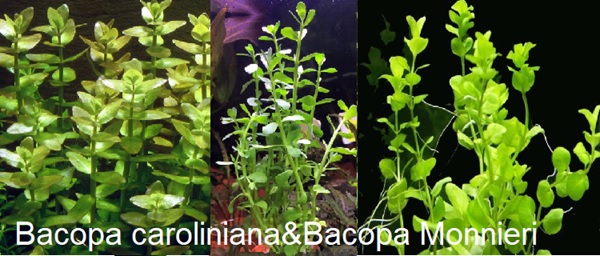
I will be sharing my experience in a next episode for “Bacopa
 MY Fish